Euronext Lisboa
Euronext Lisboa
Índices portugueses
| Índices | Último | % |
|---|---|---|
| PSI | 6 295,12 | -0,51 % |
| PSI ALL-SHARE | 1 537,51 | -0,64 % |
| PSI LEVERAGE | 443,534 | -1,04 % |
| PSI HIGH DIV NR | 141,34 | -1,48 % |
| PSI XBEAR GR | 38,17 | +1,06 % |
Índices EU
| Nome do instrumento | Último preço | Day-change-relative |
|---|---|---|
| EURONEXT 100 | 1 495,88 | -0,33 % |
| CLIMATE EUROPE | 1 880,27 | -0,03 % |
| LOW CARBON 100 | 159,72 | -0,06 % |
| NEXT BIOTECH | 2 029,24 | -0,97 % |
| ESG 80 | 2 035,13 | -0,35 % |
Câmbio
| Nome do instrumento | Último preço | Day-change-relative |
|---|---|---|
| EUR / USD | 1,06705 | +0,24 % |
| EUR / GBP | 0,86245 | +0,78 % |
| EUR / JPY | 164,99493 | +0,26 % |
| EUR / CHF | 0,97085 | -0,04 % |
| GBP / USD | 1,2369 | -0,55 % |
Indices portugueses
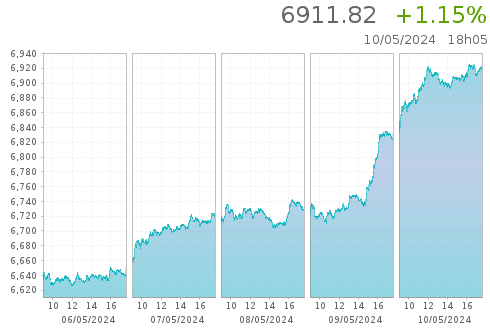
PSI 20
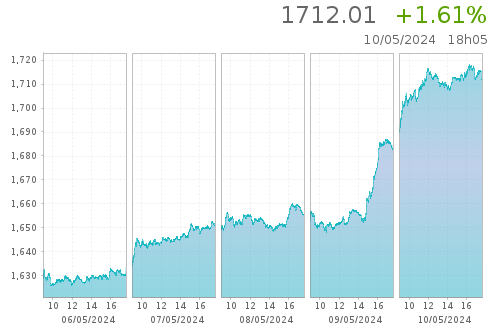
PSI ALL-SHARE
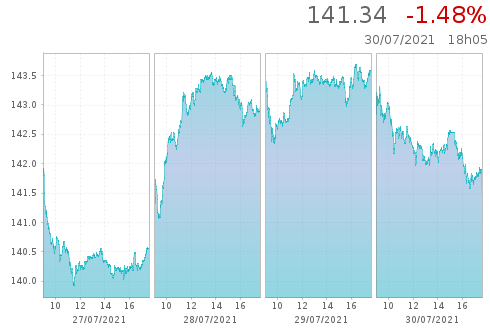
PSI High div
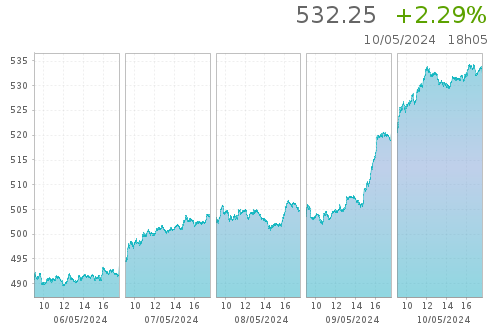
PSI LEVERAGE
PSI XBEAR
Mercados a contado
Comunicados empresas
MAIS SOBRE A EURONEXT LISBON
Saiba mais sobre os mercados Euronext
Visite a página sobre o mercado português e saiba mais sobre a praça de eleição para os emitentes portugueses.
