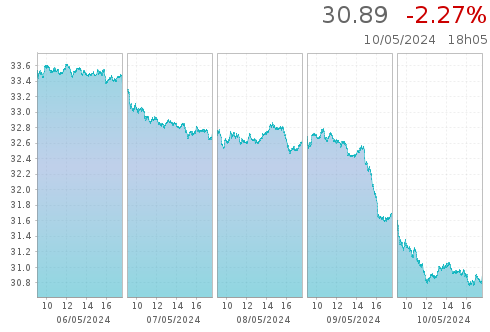
Simply put, the price of an individual stock is determined by supply and demand. The supply of stock is based on the number of shares a company has issued. The demand is created by people who want to buy those shares from investors who already own them. The more that people desire to own a stock, the more they are willing to pay for it.
But the supply of shares of any stock is limited. Investors only can buy shares of stock that are already owned by someone else. So if one person wants to buy, somebody else has to sell, and vice versa. If a lot of people want to buy at the current price and not a lot of people want to sell, the price goes up until more people are willing to sell. When the price gets so high that buyers no longer want the stock, the price starts to drop.
Indexes
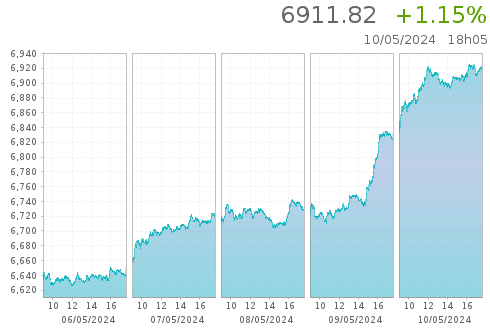
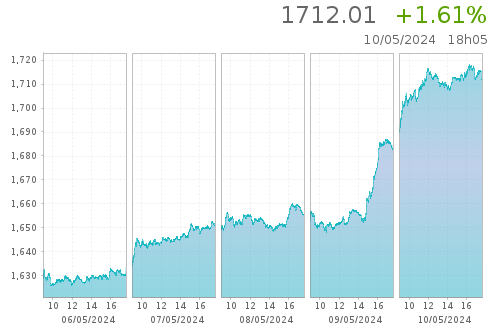
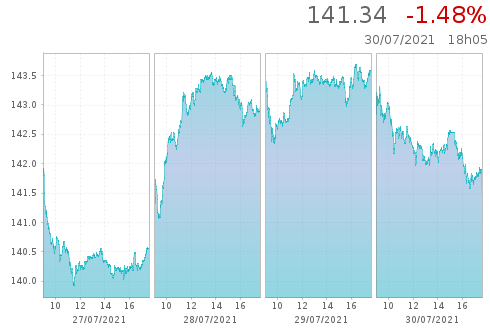
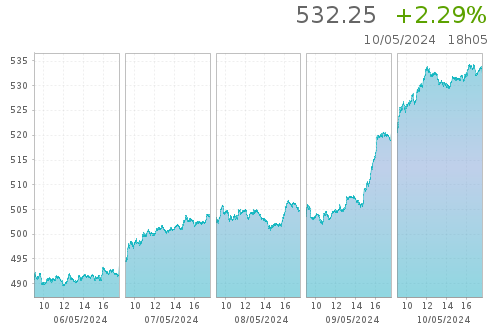
When you hear on the news that stock prices or the market was up, reporters are generally referring to an index. A stock index is a specific group of stocks, and whether its value is up or down reflects the combined price movements of the stocks in the index.
NYSE Euronext compiles, calculates and publishes a wide range of indices, which can help you for tracking markets moves. Among them, you can find global indices, such as FTSEurofirst 80, FTSEurofirst 100 and Euronext 100, covering the European stock markets. The NYSE Euronext national indices are well-known and are commonly used as benchmarks by professionals and individual investors: BEL 20 in Belgium, CAC 40 in France, AEX in the Netherlands, and PSI 20 in Portugal are flagship benchmarks. In addition, NYSE Euronext offers help to those who want to compare stock performances to those their overall industry. NYSE Euronext Indices calculates sector indices based on the Industry Classification Benchmark, which covers 10 industries, 18 super sectors, 39 sectors and 104 sub sectors.
A Company’s Financial Health
Financial health of a company is also a factor. If a company looks like its going to lose money — perhaps the company just announced poor earnings — then its stock has less value. Investors will pay more for a company with a history of earning strong profits and consistently paying healthy dividends.
While a company’s past performance is important, even more important are its future prospects. A company that has not been making money might turn around, perhaps under new management, after increasing its efficiency, or by developing an innovative new product. Likewise, just because a company has made money in the past does not mean it will continue to do so.
A report that an individual or a company is trying to buy another business also can affect those business’ stock prices. That’s because the purchaser has to buy a majority of the stock to gain control of the company. To do so, the suitor must persuade stockholders to sell their stock by offering an attractive price for their shares.
Industry Information
Another important factor in gauging the prospects of a company is the health of its entire industry. A company’s stock price may go up or down depending on whether investors think its industry is growing or contracting. For example, a company may be doing well financially, but if its industry is declining, investors might question the company’s ability to keep growing. In that case, the company’s stock price might fall.
Some industries are considered cyclical, meaning they expand and contract in cycles. For example, home building declines when interest rates rise. Consumer electronics typically do best at the end of the year, when many people buy these products as holiday gifts.
Economic Trends
In addition to events surrounding a specific industry or company, investors may carefully watch various economic indicators — general trends that signal changes in the economy. Signs that the economy is healthy—and perhaps that most companies are making money—include a rising Gross Domestic Product (GDP), low inflation, low interest rates, low unemployment rates, and a U.S. budget surplus (or a decreasing deficit), which means that the federal government is taking in more money than it is spending.
Another measure of economic health is the Consumer Price Index (CPI) — a measure of “the cost of living:” how much it costs to purchase the goods and services that an average household buys, such as food, clothing and fuel. When the cost of living rises, people spend more of their income on necessities and have less to spend on luxury items or investments, which is more bad news for the economy. When economic indicators point to a healthy and growing economy, companies are making money, the future looks good, and people have more money to invest. When this happens, stock prices on the whole generally rise, which is called a bull market.
In contrast, when the economy is shrinking, businesses are not making as much money, people are losing jobs and therefore have less money left over after buying necessities, stock prices on the whole generally fall. This is known as a bear market.
World and National Events
National or world events can affect stock prices. When investors think a news event will be good for the economy, such as a federal tax cut, stock prices will likely go up. If news, such as massive layoffs, will mean an economic slowdown or uncertainty, stock prices generally drop. This effect can last for an hour, a day, several weeks or longer.